Loading…
2 sources·Started 8d ago·Updated 6d ago
SpaceX Falcon 9 Stage Set to Impact Moon on August 5, 2026
SpaceXFalcon 9MoonNASABill GrayElon MuskEinstein craterWilliam Cooke
Sources
2outlets
INEU
Coverage
4articles
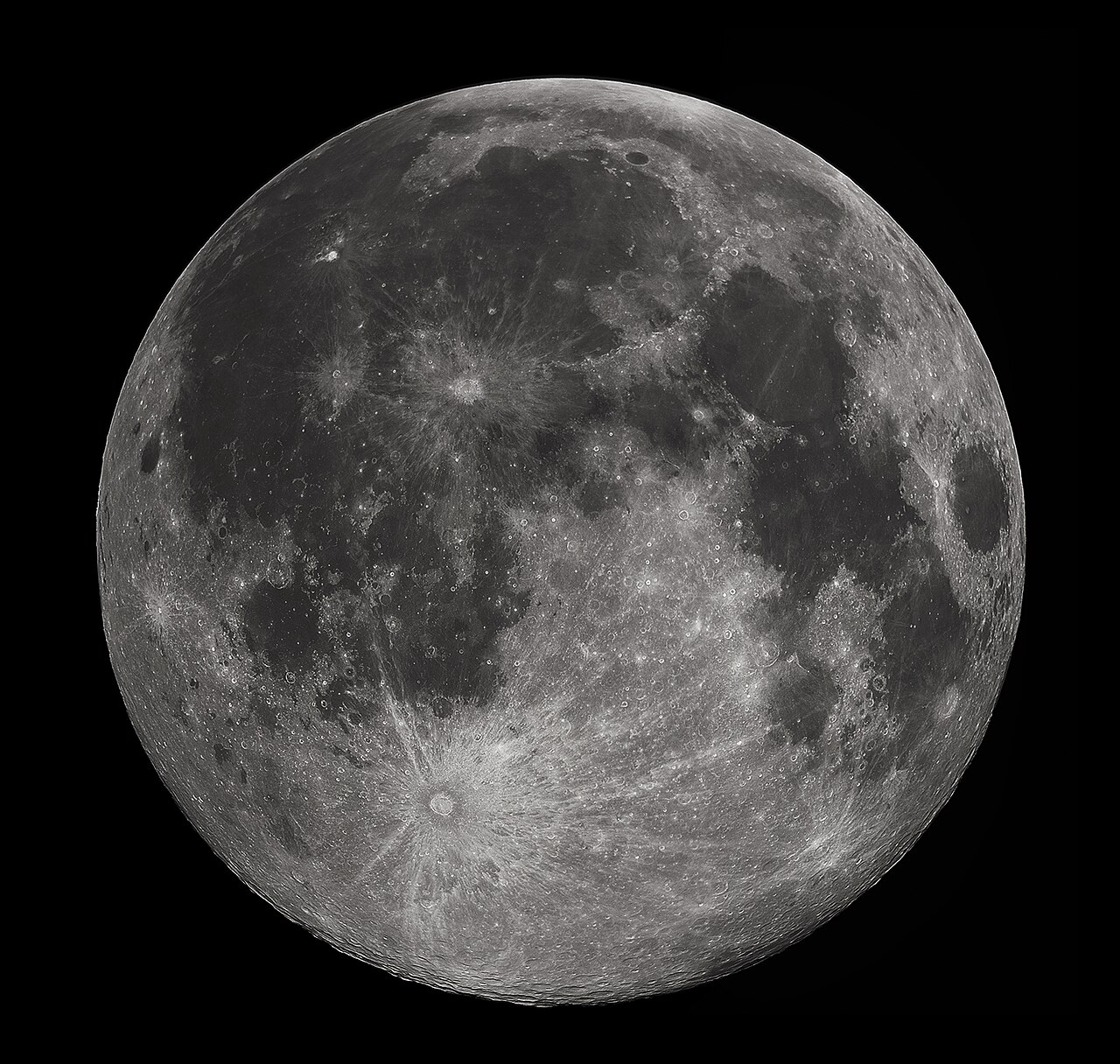
An upper stage of a SpaceX Falcon 9 rocket is expected to crash into the Moon on August 5, 2026, according to astronomers and NASA. The four-ton piece of space debris, launched in January 2025, will strike near the Einstein crater on the lunar near side at a speed of about 2.43 km/s Source: infobae. The impact offers a rare opportunity to study an artificial object's collision with the Moon in real time.
What happens
The Falcon 9 stage, weighing roughly four metric tons, will hit the lunar surface at a velocity of around 2.43 km/s, creating a new crater estimated at 20–30 meters in diameter Source: infobae. Simulations suggest the impact will excavate over a million kilograms of regolith, throwing up a dust plume that may reach altitudes of at least 1.5 kilometers and persist for several minutes Source: infobae. The exact brightness of the flash is uncertain, potentially ranging from visible with simple telescopes to undetectable Source: infobae.
Visibility debate
NASA experts are skeptical that the collision will be observable from Earth. "I think it will be very, very difficult to see, if not impossible," said William Cooke of NASA, as reported by dpa Source: euronewses. However, the impact site is near the lunar limb, and sunlight could illuminate the ejected dust cloud, possibly allowing telescopic observation Source: euronewses. Astronomer Bill Gray, who predicted the event, says the impact poses no danger Source: euronewses.
Sources
6 quotesinfobae↗
“El próximo 5 de agosto, un fragmento de basura espacial de gran tamaño impactará la superficie lunar cerca del cráter Einstein, en el extremo occidental de la cara visible.”
infobae↗
“Según el estudio, el Falcon 9 impactará sobre un terreno iluminado por el Sol, en el borde oriental de la Luna visto desde la Tierra.”
infobae↗
“Se calcula que el impacto excavará más de un millón de kilos de regolito, multiplicando por unas 150 a 200 veces la masa del propio Falcon 9.”
euronewses↗
“"Creo que será muy, muy difícil de ver, si no imposible", declaró William Cooke, responsable de la agencia espacial estadounidense NASA, según la agencia de noticias dpa.”
euronewses↗
“El cálculo de la posible colisión con la Luna se había publicado ya en septiembre. Detrás está el astrónomo Bill Gray, del proyecto Project Pluto.”
euronewses↗
“La etapa superior del cohete 'Falcon 9' pesa alrededor de cuatro toneladas.”