Loading…
3 sources·Started 12d ago·Updated 11d ago
Screwworm spreads to Chihuahua, 28 of 32 states affected, losses top $2B
ChihuahuaCochliomyia hominivoraxSenasicaCNAJorge Esteve RecolonsLeonel Cota MontañoScrewwormUS border
Sources
3outlets
EXMIIN
Coverage
5articles
Chihuahua, Mexico's largest cattle exporter, confirms screwworm case as outbreak spreads to 28 states, with losses exceeding $2 billion.
The outbreak expands
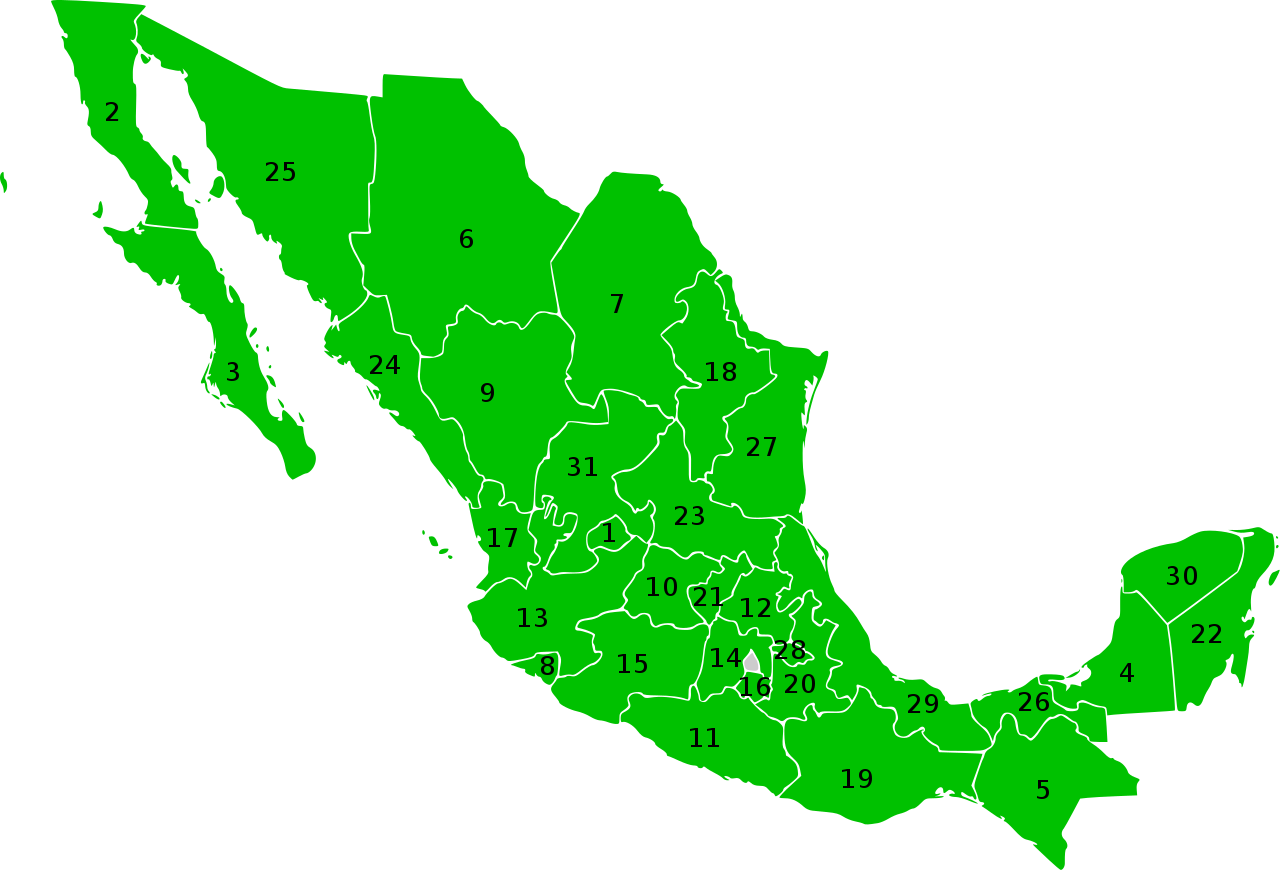
Chihuahua became the 28th state to report screwworm (Cochliomyia hominivorax) after the parasite was found in the navel wound of an eight-day-old calf in Hidalgo del Parral. Authorities established a 40-kilometer surveillance perimeter with inspections and treatments. Source: excelsiormx Only four states—Baja California, Baja California Sur, Sinaloa, and Sonora—remain free. Source: excelsiormx Nationwide, there are 33,759 accumulated cases and 2,021 active cases, with Yucatán, Puebla, and Oaxaca leading active counts. Source: excelsiormx Even Mexico City has reported cases in 10 of its 16 boroughs, including three human infections. Source: excelsiormx
Economic and trade impact
The spread has hit Mexico's livestock industry hard. Private sector calculates losses over $2 billion, and the US border has been closed to Mexican cattle since November 2024. [Sources: infobae, mileniomx] Chihuahua alone accounts for nearly half of Mexico's live cattle exports to the US, making its infection particularly damaging. Source: excelsiormx The head of the CNA, Jorge Esteve Recolons, criticized the US closure as lacking scientific regionalization, noting the fly can travel via wind and wildlife. Source: infobae
Struggle to contain the pest
Mexico is struggling to produce enough sterile flies to combat the outbreak. "If it were a war, we use bullets and bombs. Our bullets and bombs are the sterile flies. We do not have statistically enough to stop the advance," said Esteve. A new plant in Chiapas aims for 100 million sterile flies per week but is currently producing about . Meanwhile, Senasica's budget has been cut by over 50% in the last decade, prompting calls for a joint public-private financing scheme.
Story timeline · 1 earlier headline
- Screwworm spreads north as Mexico lacks sterile flies12d ago · 4 sources
- Screwworm spreads to Chihuahua, 28 of 32 states affected, losses top $2Bcurrent
Sources
5 quotesexcelsiormx↗
“Chihuahua se convirtió en la entidad número 28 de la República Mexicana en registrar casos de miasis por gusano barrenador del ganado”
mileniomx↗
“Si fuera una guerra, usas balas, usas bombas. Nuestras balas y nuestras bombas son las mosquitas estériles. No tenemos suficiente estadísticamente hablando para estar deteniendo el avance”
infobae↗
“La confirmación del primer caso de gusano barrenador del ganado en Chihuahua encendió este miércoles las alertas por la expansión de la plaga hacia una de las principales regiones exportadoras de reses de México, mientras el sector privado calcula pérdidas superiores a 2.000 millones de dólares”