Loading…
3 sources·Started 15d ago·Updated 13d ago
Australia and India finalize uranium deal, bolster defense ties
Narendra ModiAustraliaIndiaChinaIAEANuclear Non-Proliferation TreatyNuclear Suppliers GroupIndo-Pacific
Sources
3outlets
THSCTD
Coverage
3articles
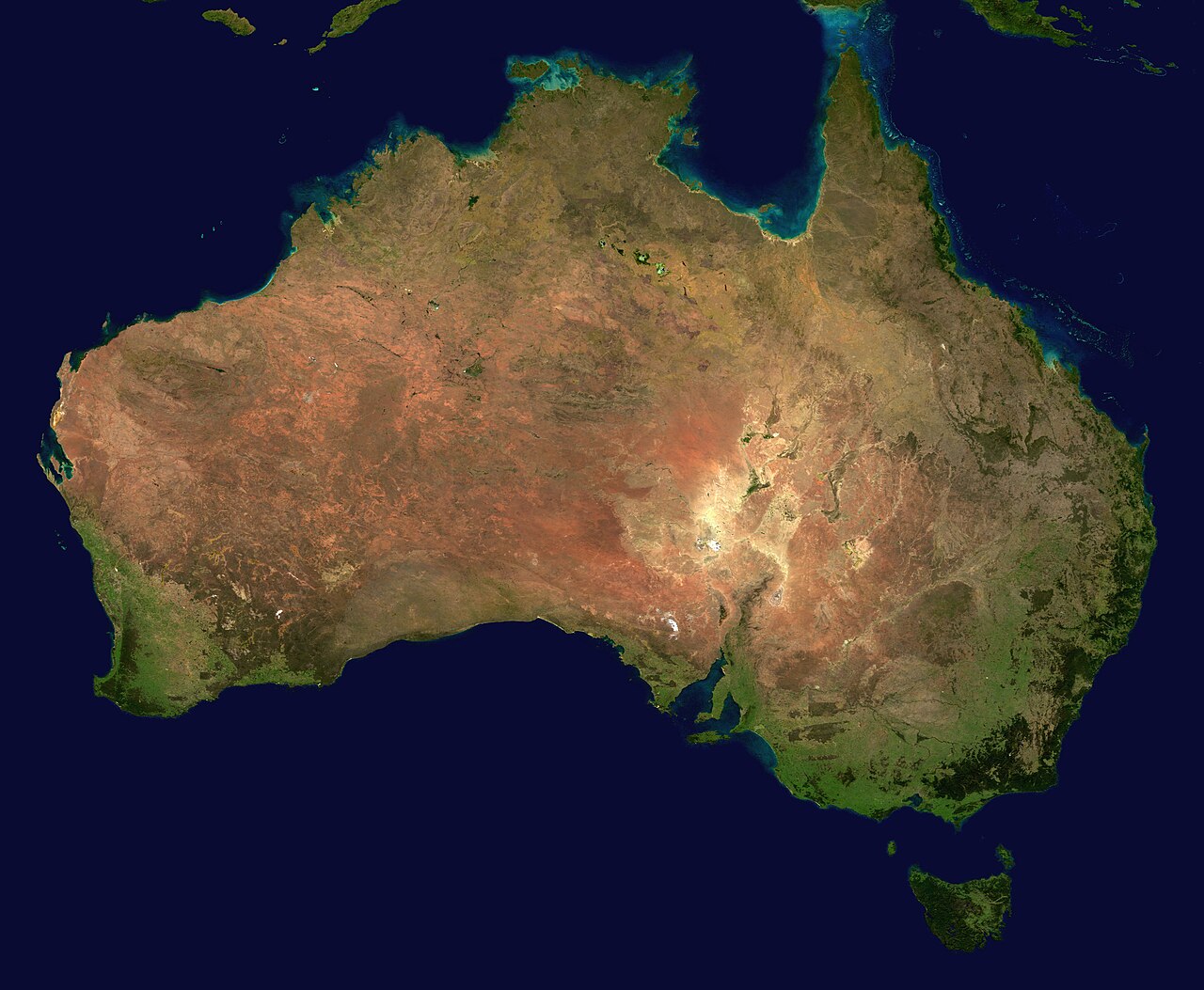
India and Australia have finalized administrative arrangements for uranium exports, marking a significant step in bilateral ties during Prime Minister Narendra Modi's three-day visit. The deal allows private Australian mining companies to supply uranium to Indian private sector firms under International Atomic Energy Agency (IAEA) safeguards, exclusively for peaceful purposes Source: The Hindu. This resolves a long-standing barrier, as Australia had previously refused sales to India due to New Delhi's non-signatory status to the Nuclear Non-Proliferation Treaty (NPT) Source: SCMP.
Defense cooperation
Alongside the uranium deal, the two countries signed a Joint Declaration on Defense, which includes commitments to enhance interoperability, information sharing, and joint exercises. Notably, the declaration includes a clause to "consult on defense-related developments in the Indo-Pacific that affect shared interests," language described as "almost alliance-like" by analysts Source: The Diplomat. This marks a shift in India's traditional avoidance of binding security pacts, reflecting growing unease with reliance on the United States to counter China.
Strategic context
The uranium deal is expected to support India's ambitious target of 100 GW nuclear capacity by 2047, up from 8 GW currently, by diversifying fuel sources amid energy security concerns exacerbated by the U.S.-Israel attack on Iran Source: The Hindu. Australia holds over a quarter of global uranium reserves, and its willingness to supply India signals deeper strategic trust between the two Indo-Pacific partners Source: SCMP. Both nations are also working with other regional partners like Indonesia and New Zealand to strengthen minilateral coalitions Source: The Diplomat.
Story timeline · 1 earlier headline
- India and Australia finalise uranium supply deal for peaceful nuclear energy14d ago · 4 sources
- Australia and India finalize uranium deal, bolster defense tiescurrent
Sources
4 quotesThe Hindu↗
“During Prime Minister Narendra Modi’s visit to Australia last week, India and Australia “finalised the administrative arrangements” required to enable export of uranium from Australia to India.”
SCMP↗
“Australia had previously refused to sell uranium to India because Delhi was not a signatory to the Nuclear Non-Proliferation Treaty designed to prevent the spread of nuclear weapons.”
The Diplomat↗
“Probably the most striking part is the undertaking “to consult on defense-related developments in the Indo-Pacific that affect shared interests.””
The Hindu↗
“Australia holds more than a quarter of the global uranium reserves and has traditionally maintained a strict policy regarding the supply or export of uranium to non-NPT member countries.”