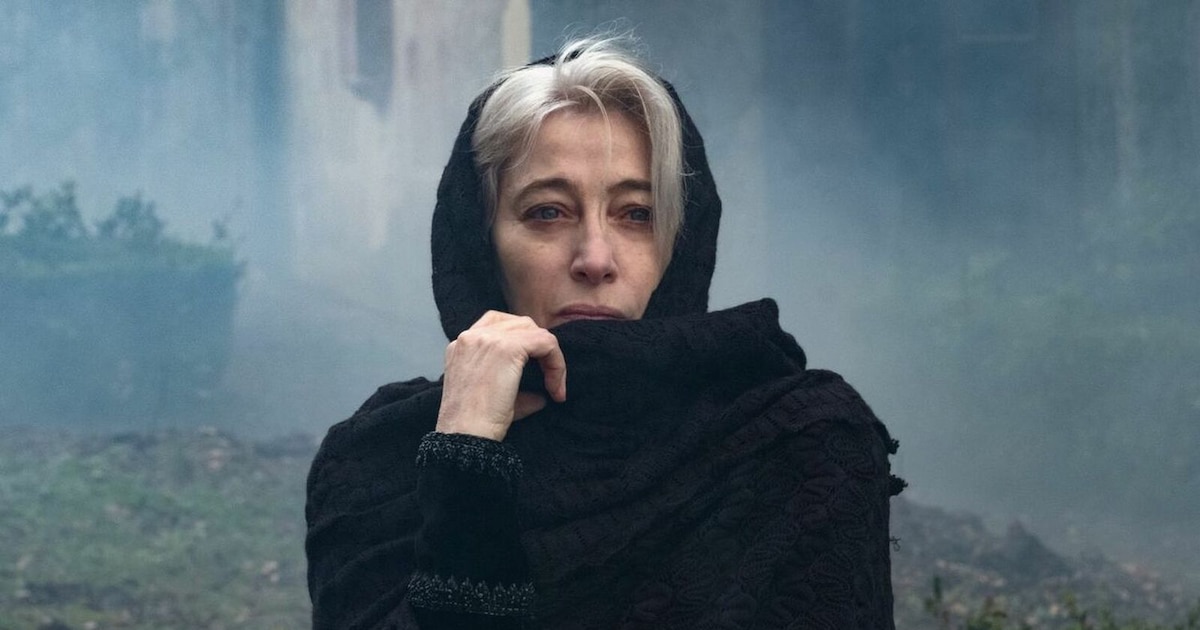
Biopic 'Eleonora Duse, la divina' explores the actress's final years
'Eleonora Duse, la divina' is a biopic directed by Pietro Marcello that focuses on the Italian actress's last years (1917–1923), as she returns to the stage after 12 years of retirement, battling financial ruin and the rise of fascism under Mussolini. The film stars Valeria Bruni Tedeschi in the titular role and premiered at the Venice Film Festival.
The film's approach
Marcello deliberately avoids a conventional biopic, blending fiction with archival footage. 'Mi idea era explicar quién fue ella, porque nadie la ha visto actuar ni ha escuchado su voz', he told La Vanguardia. The director was more interested in 'los perdedores de la historia' and the fragility of Duse's later life, when she was ill with tuberculosis and deeply in debt Source: lavanguardia.
A revolutionary actress
Duse was celebrated for her naturalistic acting style, which influenced Stanislavski and Chekhov. She was the first woman to appear on the cover of Time magazine in 1923 Source: abces. The film highlights her conflicts with fascist ideology, as she 'coquetea con el fascismo de un Benito Mussolini recién llegado al poder' but ultimately defied authoritarian control over her art Source: lavanguardia.
Historical echoes
Several reviews draw parallels between the political turmoil of Duse's time and today's rise of populism. Marcello told ABC: 'Ella se encontró en un momento de cambios y transiciones como el que estamos viviendo hoy' Source: abces. The film's portrayal of an aging artist struggling for relevance and survival resonates with contemporary audiences.
Sources
5 quotes“Mi idea era explicar quién fue ella, porque nadie la ha visto actuar ni ha escuchado su voz. Todo lo que tenemos viene de fuentes históricas y en el cine estas fuentes hay que interpretarlas.”
“Valeria Bruni Tedeschi encarna a una Duse llena de fuerza y belleza que lucha por trabajar y por superar su enfermedad al tiempo que coquetea con el fascismo de un Benito Mussolini recién llegado al poder.”
“La mujer a quien Stanislavski llamaba «la encarnación de todas las artes», lleva doce años retirada del escenario. Ahora regresa a las tablas para sobrevivir.”
“Ella se encontró en un momento de cambios y transiciones como el que estamos viviendo hoy. A nosotros también nos cuesta reconocer este nuevo mundo.”
“Su negativa a aceptar las condiciones impuestas sobre su trabajo artístico definió también su relación con el poder, en especial a través de su cercanía a Gabriele D’Annunzio.”