Two Major Discoveries in Argentina: Deep-Sea Coral Reef and Vast Mineral Deposit
A scientific expedition off the coast of Argentina has discovered a deep-sea coral reef the size of Vatican City at a depth of 1,000 meters, while geologists have confirmed one of the largest mineral deposits in the world in the Andes, containing massive quantities of copper, gold, and silver.
Argentina's deep-sea surprise A team aboard the R/V Falkor (too) from the Schmidt Ocean Institute used a remotely operated vehicle to explore the Argentine continental margin. They found a 0.4 km² reef dominated by the cold-water coral Bathelia candida, teeming with life such as crabs, octopus, and squid. "It is one of the most vibrant and exuberant deep-ocean environments I have ever seen," said marine biologist Santiago Herrera Source: elconfidencial. The discovery highlights the biodiversity of the deep South Atlantic, but researchers also found signs of fishing debris and worry about future oil and gas exploration.
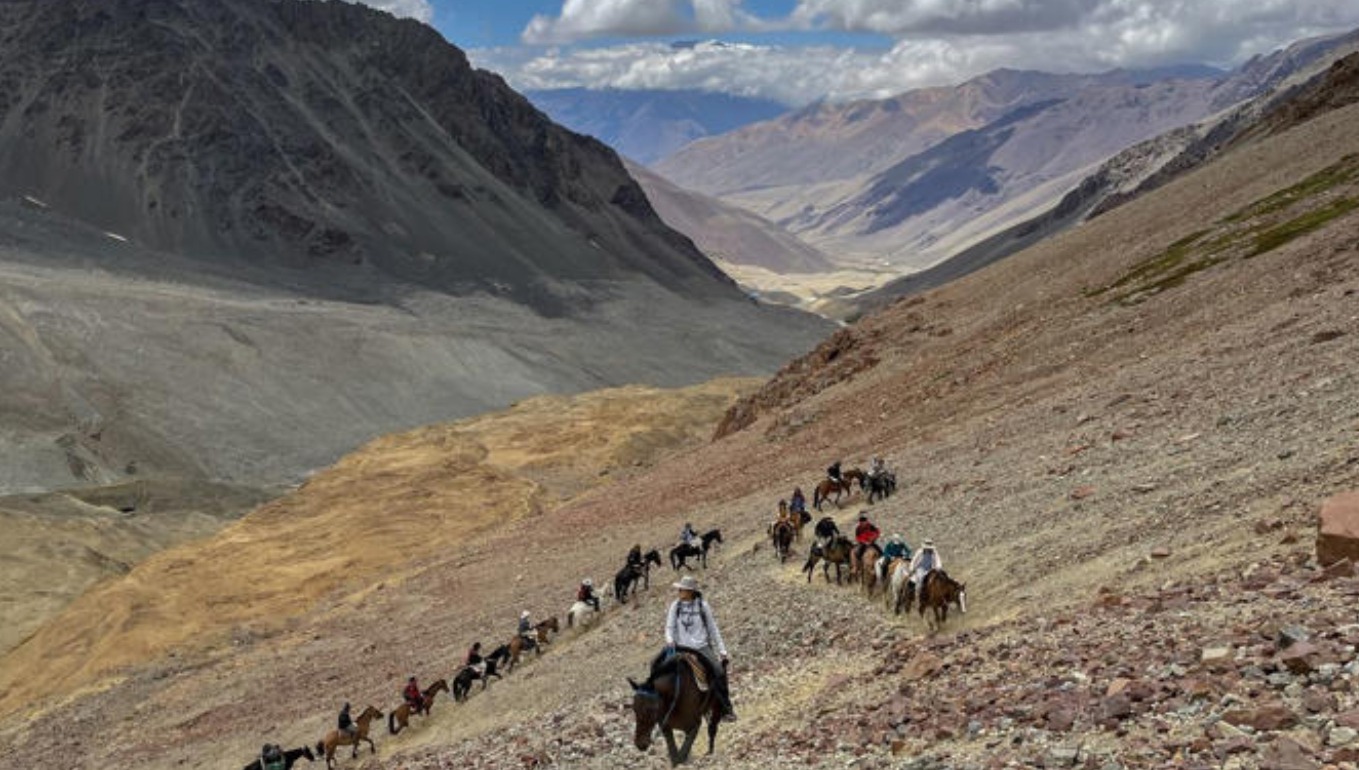
Andean mineral bonanza In the Andes, at 5,000 meters elevation on the Argentina-Chile border, the Vicuña Corp (joint venture between Lundin Mining and BHP) announced that the Filo del Sol and Josemaría deposits contain approximately 12.8 million tonnes of copper, 32.2 million ounces of gold, and 659 million ounces of silver. "Filo del Sol has been one of the most significant discoveries of the last 30 years," said Lundin Mining CEO Jack Lundin Source: elespanol. The project faces extreme logistical challenges due to altitude and environmental opposition under Argentina's glacier protection law.
Both findings underscore Argentina's resource wealth, whether biological or mineral, and the need for careful management.
Sources
4 quotes“It is one of the most vibrant and exuberant deep-ocean environments I have ever seen.”
“We did not expect to see this level of biodiversity in the Argentine deep sea and we are very excited to see it teeming with life.”
“Filo del Sol has been one of the most significant discoveries of the last 30 years.”
“The estimated investment to put the complex into production is between $6 and $7 billion.”